

The idea of creating a Social Media Growth Plan for Amul began when I questioned why some brands dominate conversations without aggressively promoting themselves. As I scrolled through social media, Amul consistently appeared—not through flashy reels or influencer overload, but through relevance, humor, and timing. For my online agency project, I chose Amul because it already had strong brand equity, making the challenge more strategic: how do you grow a brand on social media when awareness is already high? This question marked the beginning of my storytelling journey into digital growth.
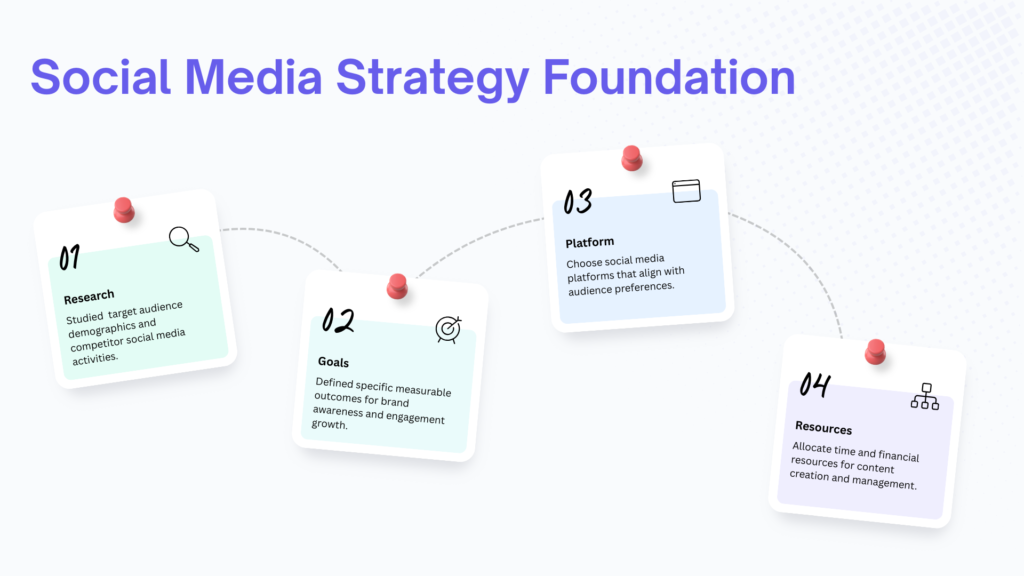
As I studied Amul’s existing social media presence, it felt like observing a brand that spoke fluently in the language of the people. The iconic Amul Girl, topical creatives, and minimal captions carried decades of trust into the digital age. However, I also noticed opportunities—new platforms, evolving formats, and younger audiences with shorter attention spans. This realization shaped my growth plan: Amul didn’t need to become louder, it needed to become smarter. That insight changed how I think about growth—not as expansion, but as alignment.
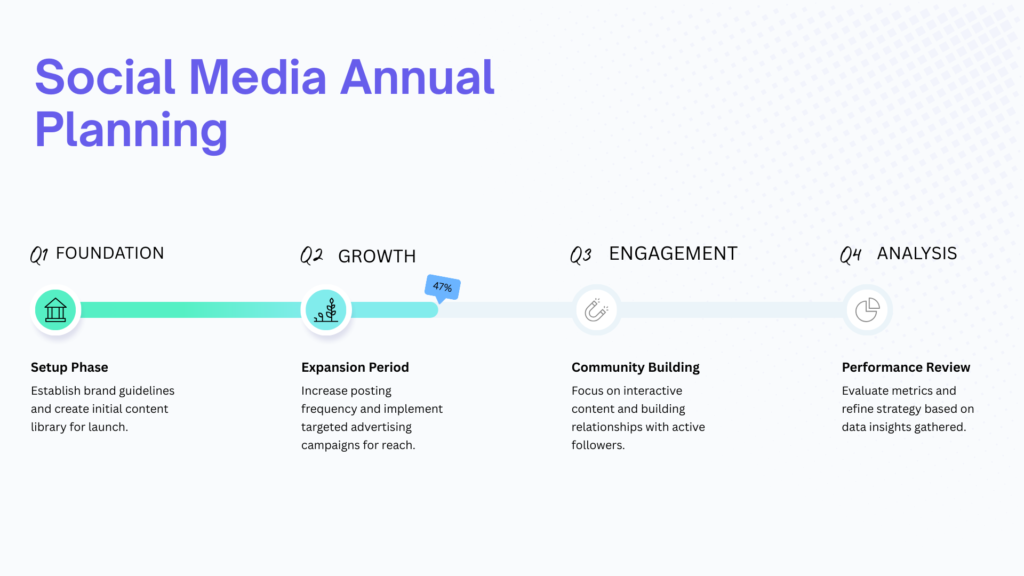
The foundation of the growth plan was understanding Amul’s digital audience. From families and working professionals to Gen Z discovering the brand online, Amul’s audience is diverse yet united by emotion and nostalgia. Instead of fragmenting the audience, my strategy focused on shared moments—festivals, current affairs, food habits, and national conversations. While building this section, I learned that successful social media growth comes from cultural participation, not constant promotion. This lesson deeply influenced how I now approach content planning.
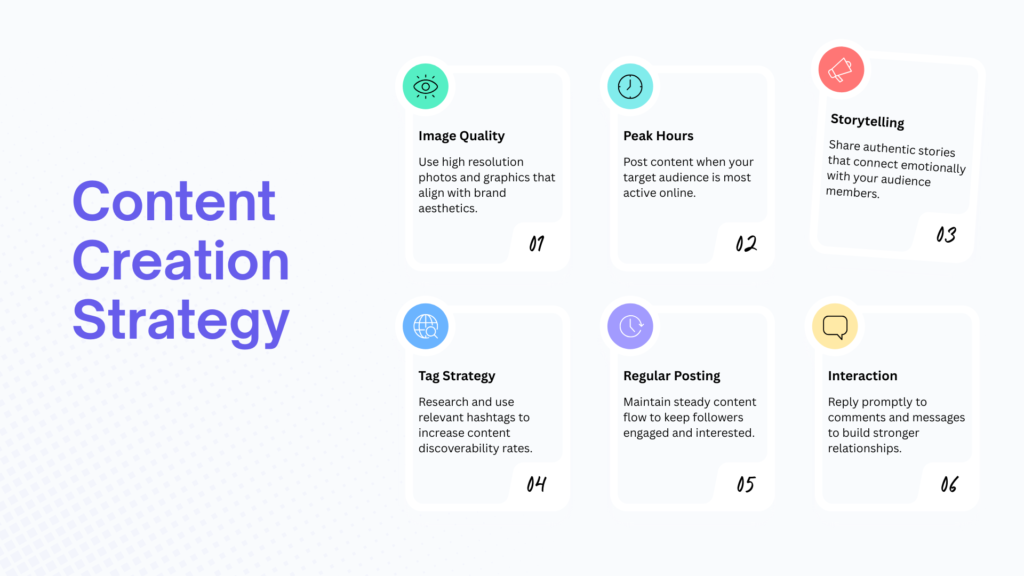
Content strategy became the heart of the growth plan. Amul’s strength lies in topical storytelling, so the plan emphasized real-time marketing, humor, and visual simplicity. I proposed a mix of content formats: daily topical posts, short-form video storytelling, behind-the-scenes cooperative stories, and interactive polls. Designing this made me realize that growth doesn’t require abandoning legacy—it requires translating it. Amul’s timeless tone could evolve into modern formats without losing its identity.
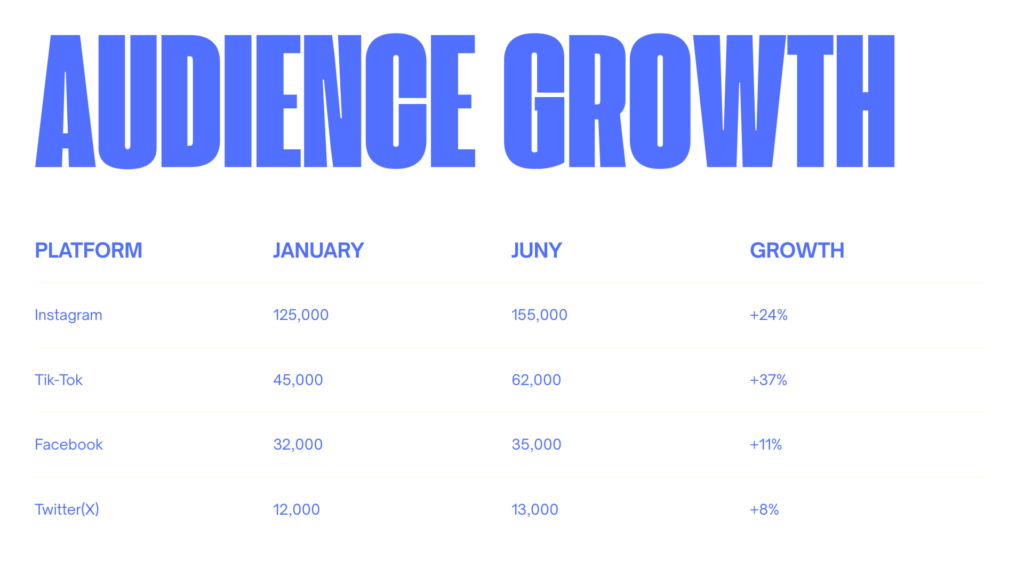
One of the most exciting parts of the project was planning platform-specific growth. Instagram focused on reels and carousel storytelling, Twitter remained the space for witty topical commentary, while YouTube Shorts and Facebook supported long-term engagement. Each platform had a clear purpose rather than duplicated content. This approach taught me a valuable agency lesson: strategy is not about doing everything everywhere, but doing the right thing in the right place.
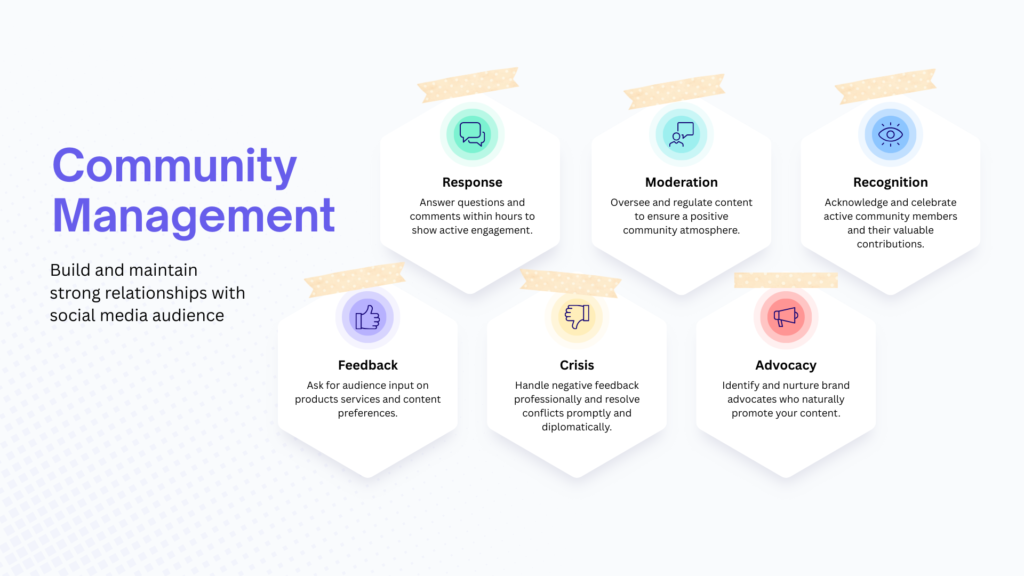
Community engagement played a major role in the growth plan. Amul’s social media success isn’t just about posting—it’s about participation. I included strategies for replying to comments creatively, reposting user-generated content, and celebrating audience moments. This human-centric approach changed how I view social media. I understood that growth is not measured only in followers, but in relationships. This mindset shift applied not just to brands, but to how I build professional connections as well.
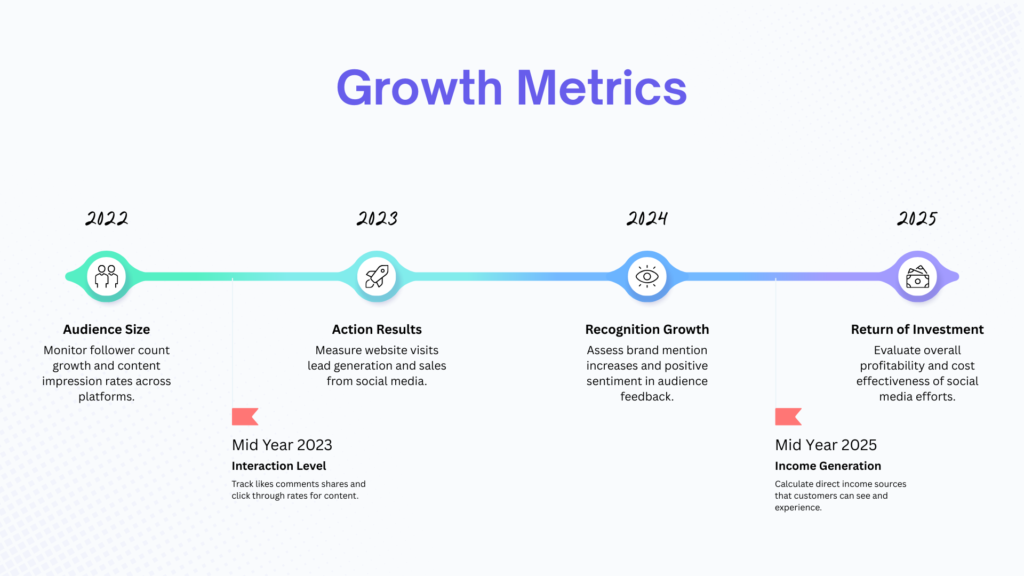
As the growth plan took shape, I noticed my own transformation. I was no longer just consuming content; I was decoding it. I understood why certain posts worked and others failed. This analytical thinking improved my confidence as an aspiring agency strategist. It showed me that creativity and data are not opposites—they are partners. This realization strengthened my belief in building a thoughtful, insight-driven agency.

In the end, the Social Media Growth Plan on Amul became more than a project—it became a story of how relevance, culture, and consistency drive digital growth. It taught me that brands grow when they listen, adapt, and stay true to their values. Amul’s social media success reminded me that strong foundations make growth sustainable. This project not only sharpened my strategic skills but also shaped my identity as a storyteller, strategist, and future agency owner.


Leave a Comment